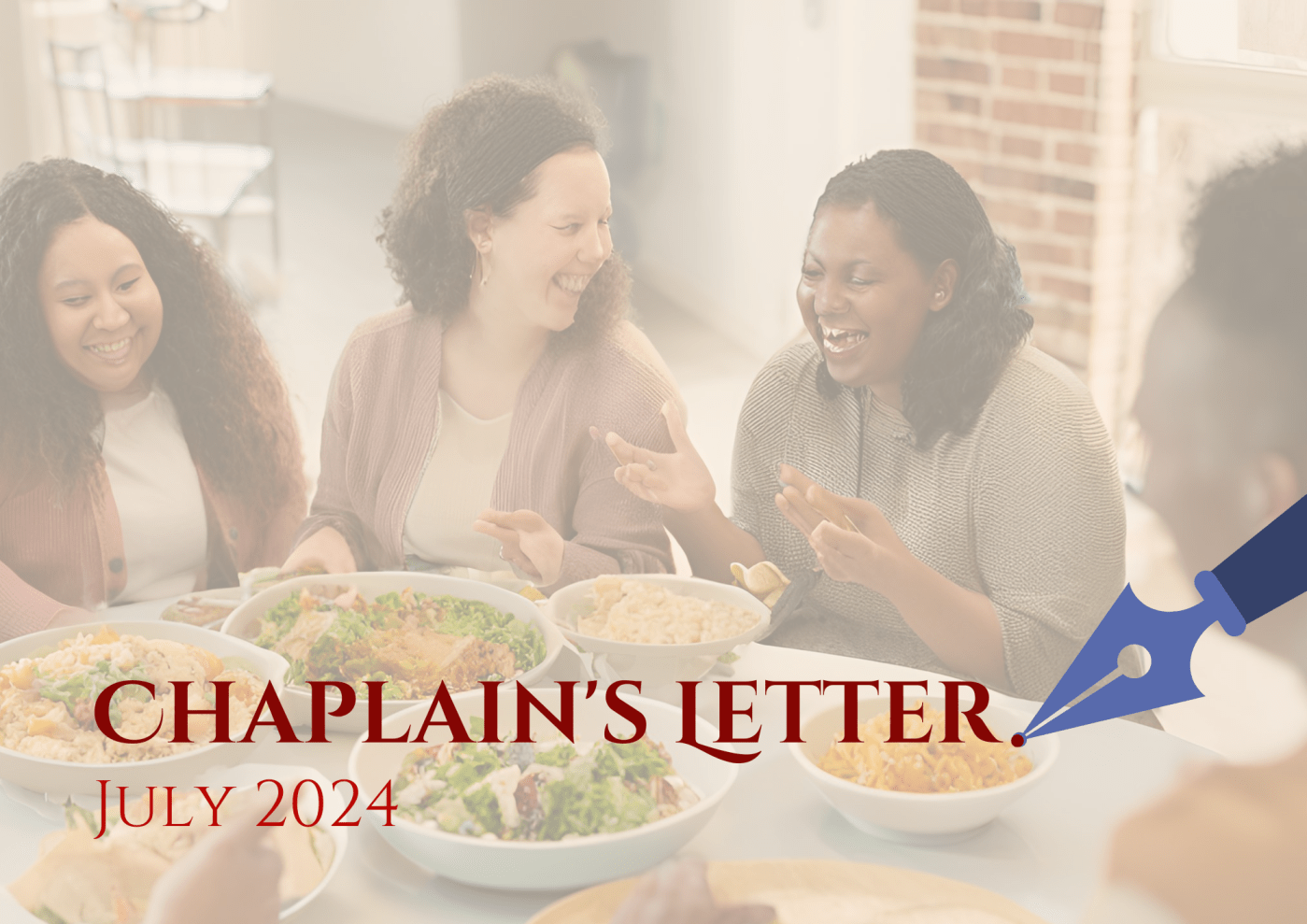
For the church to be constantly relevant and relating to the people we should on the one hand be thankful to God for each person whose contributions in different ways makes the church such an exciting place as it is today and on the other hand we should always be humble to see what our challenges are and look at ways of overcoming them to be a more relational and meaningful community. Two key areas recently discussed in our ecumenical fora are worth taking a closer look.
Ministry in a Multi-Cultural Context
Bishop Martin Snow in his book “Intercultural Church for a Multicultural World” (Church House Publishing, 2024) brings to light some key elements of what it means to be the church today.
In a profound Foreword to the book, Bishop Lusa Nsenga Ngoy urges us to look at the fragmented nature of the church today where the stranger is still someone who would be looked with the ‘liturgies and hermeneutics of suspicion’. Each one holds to his understanding of what the church is and wants others to assimilate. This tyranny demarcates between hospitality and hostility with those whose cultural, linguistic, ethnic and socio-economic heritages does not align with the normative. Worship hour remains an hour where the segregations are clearly visible for a careful onlooker.
Attempts to resist the seduction of homogeneity is not easily appreciated by those who held the reins for long and are not willing to adapt. Creating healing spaces of mutuality and belonging where each learn from and with the other and seeks new ways of speaking of God, of worshipping, of appreciating each other’s stories and committing to bear each other’s burden would be the way forward, he suggests.
Bishop Lusa draws our attention to two key terms. EDI and IWC. Equality, Diversity and Inclusion as the markers of being the church and each congregation being an Intercultural Worshipping Community where the hermeneutical lens that resets and reorients norms and values to a transformed way of living, doing and being in the world leads the community from estrangement to embrace and from segregation to integration.
When the expectations and norms that people hold dear do not align with the new expressions of inclusion and equality they tend to say- this is not the church I want to be part of. The imagery of being ‘the people of the prayer book’ is sometimes challenged when the richness of the liturgies of the different parts of the Anglican Communion flows like a smoothening river into the worshipping terrains. The Hymns that people are comfortable with sometimes makes way to rich and diverse experiences of music from different parts of the world. The young people would prefer their own genre of worship and music and being the church. In this complex and rugged topography of intercultural living together and intergenerational worshipping together how do we reconfigure our expectations of being the church?
Ministry with Children, Teenagers and Young People
“Translating God” is a new research initiative from Youthscape and authorized by our Diocesan Synod exploring how young people understand and respond to the story of Christianity. Published in three parts, it represents “more than two years of work with input from a diverse group of more than a thousand young people Everyone interested in how the church engages with young people – church leaders, youth workers, parents and young people themselves – will want to see what this ground-breaking research means for us, our ministry and the wider church”.
In the report that is expected in Spring 2024 they try to place how the lives of young people are changing around us and what their expectations are from the church. Their understanding of Christian belief and faith is often much more profound than what the elderly percieve. Someone now needs to listen to them, to their stories, their aspirations, their expectations. We need to understand their expressions of dissatisfaction with what they experience in church today. We need to listen to them as to what would be the change they want in the church. The research is expected to give us practical suggestions for the way forward.
Parallely we are also trying to engage with this age groups in our churches too and are trying to see how best we can improve the ministry among children, teenagers and young people.
The Challenges for ACF
Both these crucial reflections are very relevant and pertinent to the Anglican Church in Freiburg. We need to widen our horizons to be more inclusive where each person who comes in would feel fully welcome and at home. Our efforts to be the fragrance in Freiburg should reach out to the nookes and corners, highways and byways and should have an inviting touch to it. Church should redeem itself from the “one hour a week” understanding to a 24X7 living experience of all the families that make the church what it is. We must realise that between hospitality and hostility there is a comfort zone of being part of neither side and that lukewarness need be constantly challenged and stirred.
We have a rich repository of children and teenagers and our ministry among them need to take roots and wings. With the diocese clarifying that youth ministry reaches out to all who are below 29 we need to strengthen our ministry among university students and their peers and pals. Our focal points would in the next phase be children below 12, teenagers and those between 20 and 29 and we would continue to engage with them and their parents and collegues as the case may to be see where we need to change and what more we would be able to offer.
There is much work to be done in Freiburg and we shall do it together
Vinod Victor
July 1, 2024
PS.: Just so you know, the awesome featured image in this blog post was created with a little help from our AI friends. We hope you like it.

 Freiburg Anglican Church