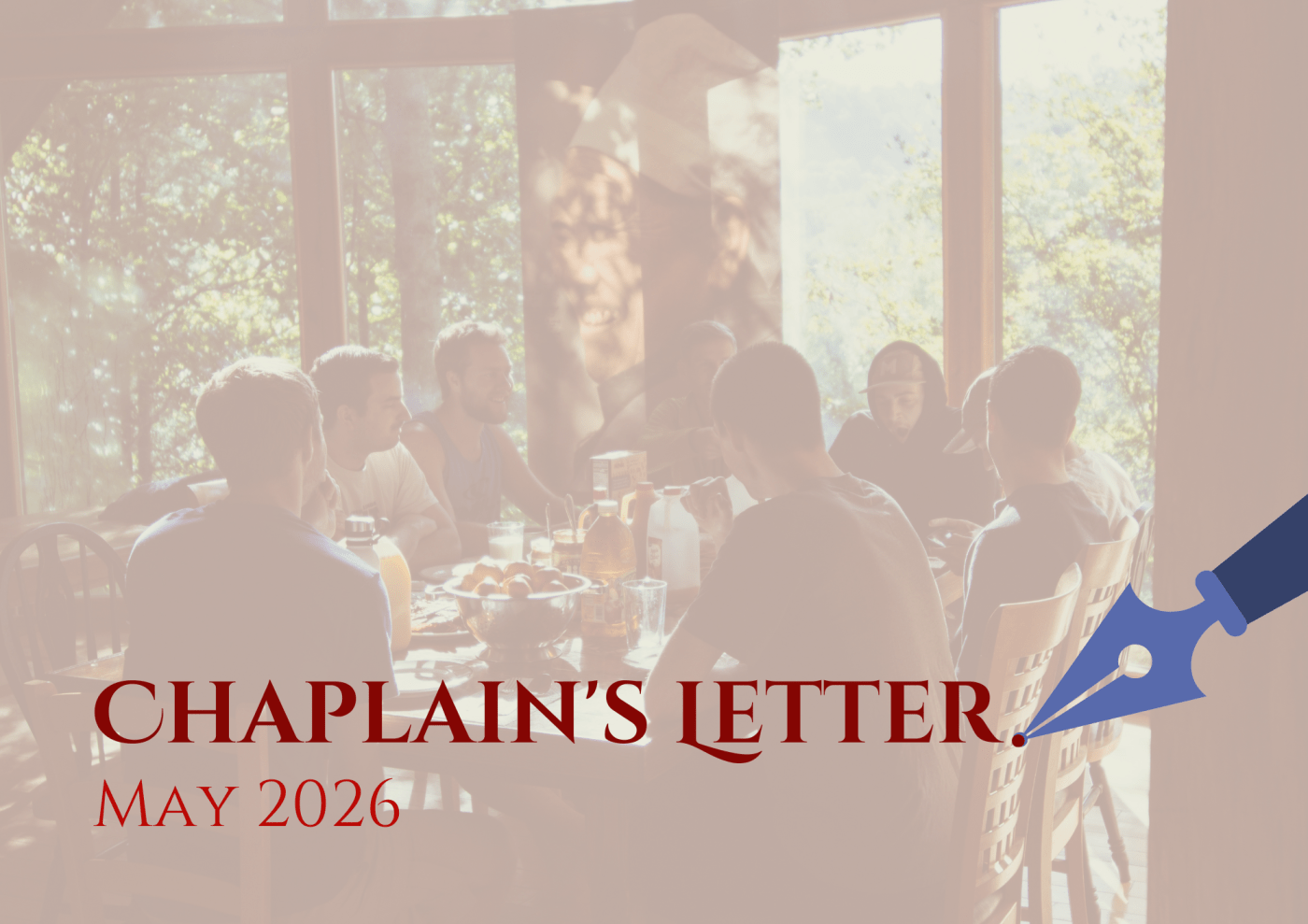
Do you experience a genuine sense of belonging within your church community, where your identity, voice, and presence are truly valued, or do you find yourself merely included as part of a well intentioned effort to appear diverse. This question invites a deeper reflection on the difference between belongingness and the more commonly used idea of inclusion, challenging us to consider whether the Church is simply making token spaces for people or actually becoming a shared life in which all are recognized as integral to its being and mission.
Belongingness refers to a deep sense of being accepted, valued, and recognized as an integral part of a community. It goes beyond mere presence or membership, touching on identity, dignity, and relational connectedness. When people experience belongingness, they feel that who they are is welcomed and that they have a meaningful place within the life, decision-making, and future of the community.
Inclusion, by contrast, is the practice or process of ensuring that diverse individuals are invited, present, and able to participate. Inclusion can exist without full belongingness if people are present but not truly heard, valued, or empowered. In this sense, inclusion is often a step toward belongingness, but belongingness is deeper, involving mutual recognition, shared ownership, and emotional and spiritual rootedness within the community.
In the European Anglican ecclesial context shaped by migration, the shift from access to ownership calls the Church to move beyond simply allowing people from diverse backgrounds to enter its spaces. It challenges structures where leadership, theology, and decision-making remain controlled by historically dominant groups. Ownership implies that migrant and minority communities are co-creators of the Church’s life, shaping liturgy, governance, and mission. This reflects a theological commitment to the Body of Christ as shared rather than administered.
Presence to Participation
The shift from presence to participation recognizes that simply having diverse congregants in pews is not enough. Participation involves active engagement in worship, leadership, and theological reflection. In Anglican churches across Europe, this means enabling diasporic communities to bring their voices, languages, and spiritual expressions into the center rather than the margins. Participation transforms the Church into a living communion rather than a passive gathering.
Tolerance to Mutual Transformation
Tolerance often implies enduring difference without genuine engagement. The shift toward mutual transformation invites deeper encounter where all parties are open to being changed. In a global Anglican presence in Europe, this means that historic congregations and newer migrant communities learn from one another, reshaping theology, worship, and identity together. It reflects a dynamic understanding of communion where the Spirit works through diversity to renew the Church.
Assimilation to Decolonial Affirmations
Assimilation expects newcomers to conform to dominant cultural norms. Decolonial affirmations resist this by valuing and affirming the identities, histories, and spiritualities of previously marginalized communities. In ecclesiology, this gently challenges Eurocentric expressions of Anglicanism and makes space for multiple theological voices. It acknowledges the colonial histories embedded in church structures and seeks to dismantle them through justice-oriented practices.
Monoculture to a Kaleidoscope of Cultures
The move from monoculture to a kaleidoscope of cultures reflects the visible diversity within Anglican congregations in Europe today. Rather than maintaining a single cultural expression of church life, this paradigm embraces a dynamic interplay of traditions, languages, and practices. The Church becomes a space where diversity is not managed but celebrated as a sign of God’s expansive creativity and the global nature of the Anglican Communion. Even Costumes, Cuisines and Cultural expressions become part of this celebration.
Cultural Sensitivity to Cultural Humility
Cultural sensitivity involves awareness and respect for differences, but cultural humility goes further by recognizing one’s own limitations and being open to learning from others. In ecclesial life, this means leaders and communities do not assume expertise over others’ experiences but engage in ongoing self-reflection and listening. Cultural humility fosters relationships of equality and deepens authentic communion across cultural boundaries.
Paternalism to Redistribution of Power
Paternalism maintains hierarchical relationships where some groups guide or control others. The shift to redistribution of power calls for structural change where authority and leadership are shared. In the Anglican Church in Europe, this means elevating voices from migrant and minority communities into positions of influence and decision-making. It reflects a commitment to justice and a reimagining of leadership as collaborative rather than top-down.
Comfort to Constructive Discomfort
Churches often gravitate toward familiar practices that provide comfort. The move toward constructive discomfort invites communities to embrace challenges that come with diversity and change. This includes rethinking liturgy, confronting biases, and addressing systemic inequalities. Constructive discomfort becomes a space where growth, repentance, and renewal occur within the Body of Christ.
Avoiding Conflict to Engaging Creatively in Mitigation of Conflict
Avoiding conflict can suppress important differences and tensions. The shift toward creative engagement recognizes conflict as an opportunity for deeper understanding and transformation. In a diverse Anglican context, this involves developing practices of dialogue, reconciliation, and shared problem-solving. Engaging conflict faithfully allows the Church to embody reconciliation and witness to unity in diversity.
Conclusion
These paradigm shifts together point toward a renewed ecclesiology in which the Church in Europe, especially within the Anglican Communion, embodies a living and dynamic expression of God’s inclusive kingdom. The movement from access to ownership, presence to participation, and tolerance to mutual transformation reflects a deeper call to become a community shaped not by hierarchy or uniformity but by shared life in Christ. This vision resonates strongly with the image of the Church in First Corinthians 12, where the Body of Christ is described as having many members, each indispensable and honored. Likewise, the vision in Revelation 7:9 portrays a multitude from every nation, tribe, people, and language standing together before God, not erased into sameness but united in worship. These biblical insights affirm that true belonging in the Church is rooted in God’s reconciling work, where diversity is not a challenge to overcome but a gift through which the fullness of Christ is revealed.
Vinod Victor
May 01, 2026


